The natural gems of Drenthe
Flora
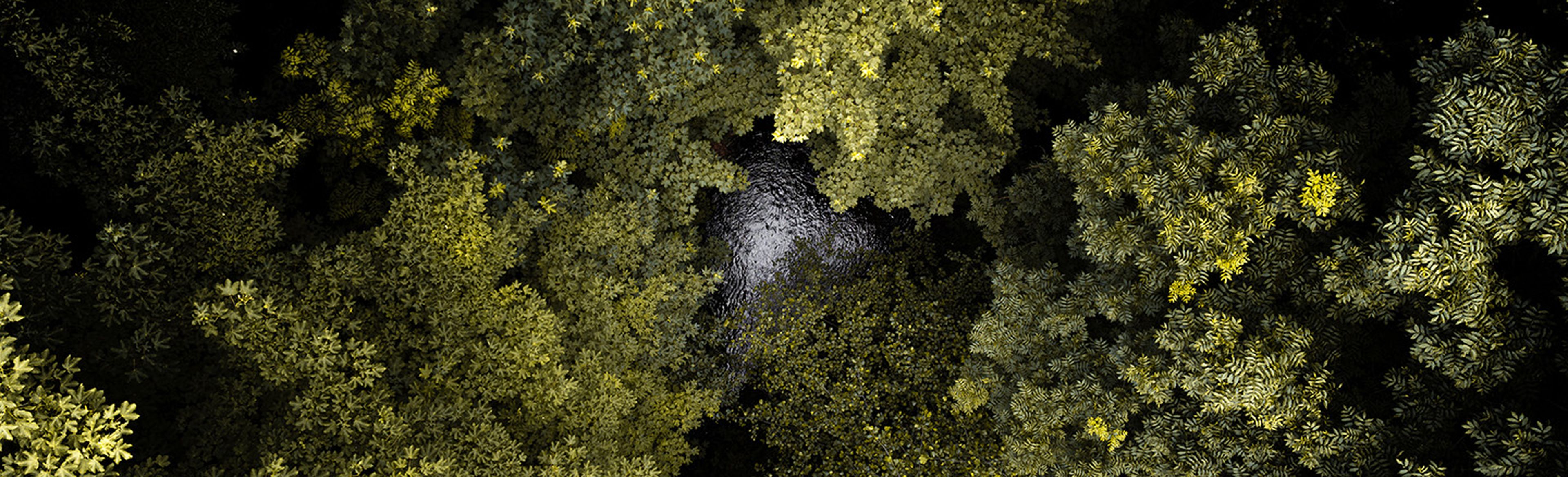
The forests in the Drents-Friese are mainly cultivated and dense, consisting of a massive part of conifers. The places with barren land like Berkenheuvel and the northern Kale Duinen are vast Scots pine and craw berry forests. The areas with craw berries are pretty unique. In regions with richer soil, there are oak-beech forests with rich nutrient values. Some coniferous forest species, like creeping lady's tresses, little evergreen, twinflower, and stiff club moss, can be found in the coniferous forestry of Smilde and Appelscha. In places with slightly richer soil, species like the May lily, multi-flowered Solomon's seal, common holly, arctic starflower, hellebore, and oak fern flourish quickly. The Appelscha forestry also has a rich supply of mushrooms.
In the damp places in heathlands, bell heather, bog gentian, common cotton grass, shore weed, bog asphodel, spotted heath orchids, oblong and round-leaved sundew can be found. Heathers, woodrush, harebell, wild thyme, lousewort, and the rare arnica Montana grow in higher sand grounds. Moreover, three different club moss types: Marsh club moss, running club moss, and cypress spurge. The shifting sands are famous for plants like pearlwort spurrey, shepherd's cress, and different moss and lichens types.
Round fens, heather species, bell heather, crowberry, common heather are found, and fen berry species and plants like many-stalked spike-rush, cranberry, lavender heather, bladder worth, and sometimes, bur-reed are also seen in woods. There is a solitary place in the Smilde forestry where the bog bilberry grows, and it is a scarce species found in the Netherlands.
Fauna
The diversity in landscape types and plant growth has enriched the animal realm. Mainly birds are found here. Forest birds, grassland birds, and swamp birds are flying here and there every time.
Heath, fens, shifting sands, and well-developed forests appear to be significant for bird habitat. In open sand areas, the woodlark and the tawny pipit can be easily found. The rare nightjar is also seen many times in the transition area towards the forests. Waders like the black-tailed godwit, redshank love these areas during migration, and these species sometimes also breed in these areas. Rough terrains with rugged bushes serve as the breeding grounds for the very rare red-backed shrike. Open water fens are used for breeding by the black tern, the black-necked grebe, the little grebe, the common teal, and others, while the marsh harrier uses the waterside area for breeding; that's why they are abundant there. The extensive forests are an excellent habitat for prey, owls, honey buzzard, common buzzard, hawk, sparrow hawk, and barn owl.
Moreover, five different types of woodpeckers have been spotted in the forests too. Other birds like Red Poll, hawfinch, nightingale, and crossbill are also found in the woods. The forests are of great value for many typical birds like the coal tit, flycatcher, greenfinch warbler. During migration, the Drents-Friese Wold is inhibited by several bird species. The bean goose and birds of prey like the hen harrier and the peregrine falcon love this place.